
































Context
A Complete Overview of India’s Strategic and Tactical Missile Systems
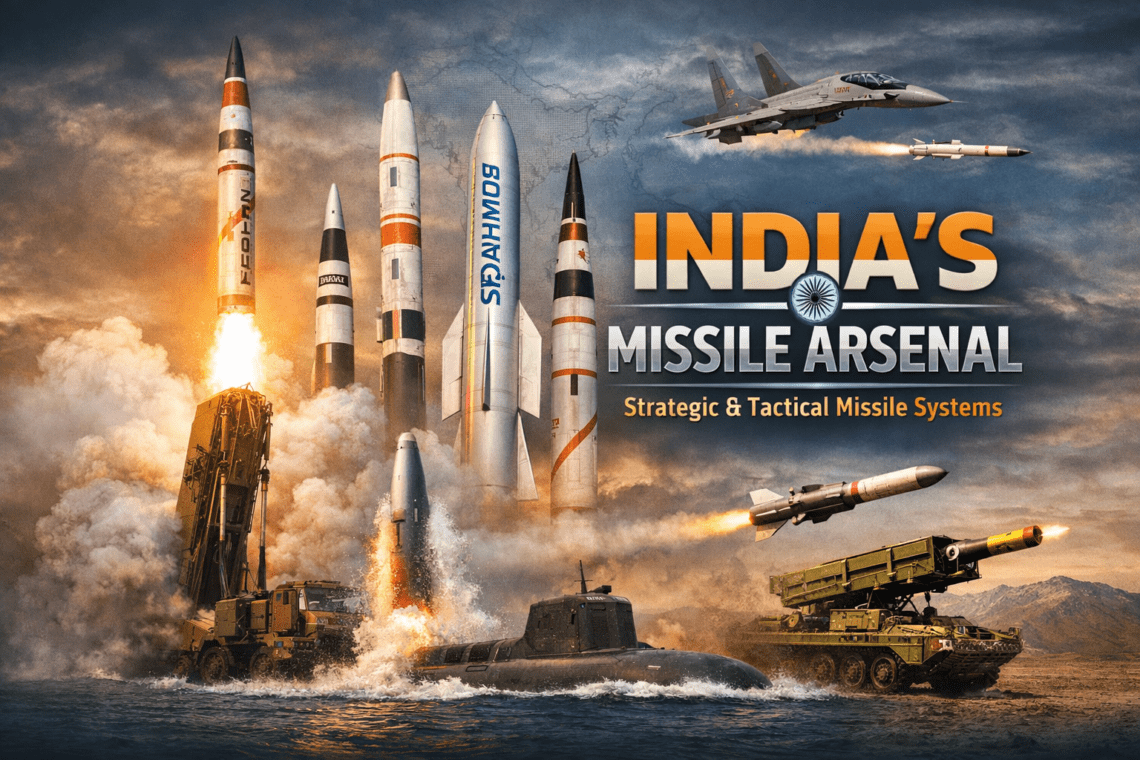
Missiles form the backbone of modern military deterrence.
They deliver precision strike capability, extend battlefield reach, and underpin nuclear strategy.
Over the past four decades, India has quietly built one of the most diverse missile arsenals in the Indo-Pacific.
From short-range battlefield rockets to intercontinental nuclear delivery systems, India’s missile inventory now spans land, sea, and air domains.
India’s missile list has evolved through a mix of indigenous development, strategic partnerships, and continuous technological upgrades.
Programs initiated under the Defence Research and Development Organisation (DRDO) and supported by the Indian armed forces have produced a layered missile ecosystem designed for deterrence, precision strike, and regional power projection.
This guide explains the major missile systems deployed or under development by India, categorized by role and range.
Strategic Ballistic Missiles
India’s strategic deterrent is built around its family of Agni ballistic missiles, designed to deliver nuclear payloads across varying ranges.
Agni Missile Series

The Agni series represents the core of India’s nuclear deterrent.
Developed under the Integrated Guided Missile Development Programme, these missiles allow India to maintain credible second-strike capability.
Key variants include:
Agni-I
Range: ~700–900 km
Role: Short-range nuclear deterrence
Deployment: Primarily aimed at Pakistan theater.
Agni-II
Range: ~2,000 km
Role: Medium-range strategic deterrence
Deployment: Capable of reaching western China.
Agni-III
Range: ~3,000–3,500 km
Role: Intermediate-range nuclear missile.
Agni-IV
Range: ~4,000 km
Role: Advanced intermediate-range ballistic missile.
Agni-V
Range: ~5,000–5,500 km
Role: Near-ICBM class strategic missile.
Agni-V incorporates canisterized launch capability, improving survivability and reducing launch preparation time.
Agni-VI (Under Development)
Expected features:
-
Multiple independently targetable reentry vehicles (MIRVs)
-
Range potentially exceeding 8,000 km
-
Enhanced counter-missile penetration capability.
Submarine-Launched Ballistic Missiles (SLBM)
India’s sea-based nuclear deterrent is essential for maintaining a survivable second strike.
K-Series SLBMs
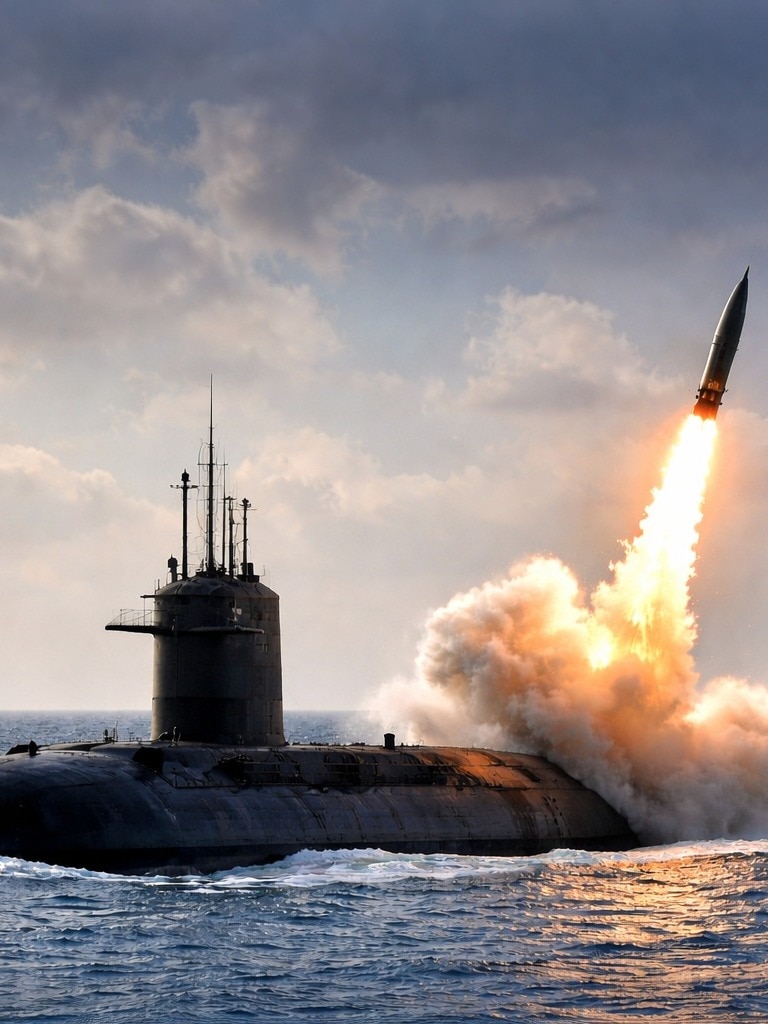
These missiles are deployed aboard India’s nuclear ballistic missile submarines such as INS Arihant.
K-15 (Sagarika)
Range: ~750 km
Role: Initial sea-based nuclear deterrent.
K-4
Range: ~3,500 km
Role: Strategic SLBM capable of deeper ocean launch operations.
K-5 / K-6 (Under Development)
Expected capabilities include:
-
Ranges exceeding 5,000–6,000 km
-
MIRV capability
-
Deployment on next-generation SSBNs.
These missiles significantly enhance India’s nuclear triad.
Cruise Missiles
Cruise missiles provide precision strike capability with low radar visibility and high maneuverability.
BrahMos Supersonic Cruise Missile
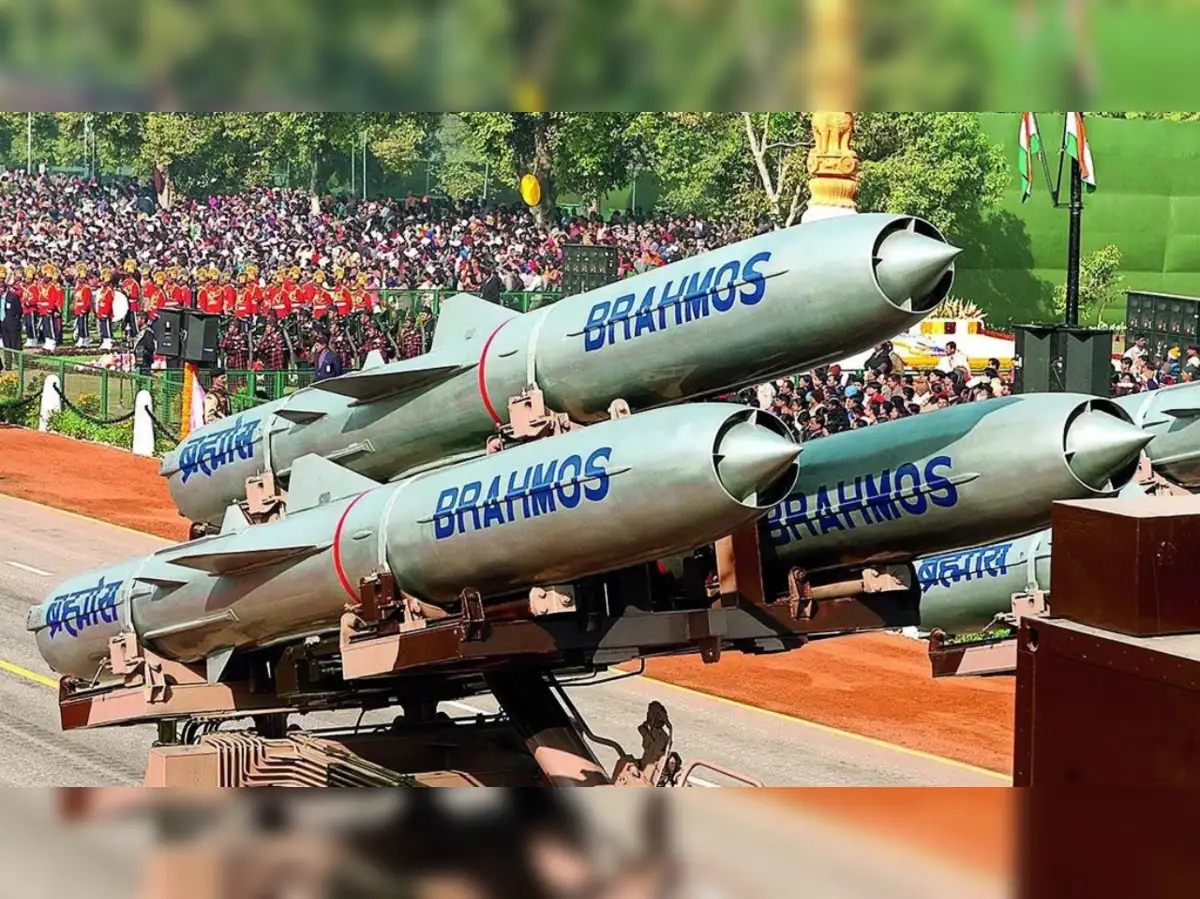
Developed jointly by BrahMos Aerospace, it can be launched from land, sea, air, and submarine platforms.
Specifications:
Range: ~290–450 km
Speed: Mach 2.8–3.0
Role: Precision strike against ships and land targets.
The missile has become central to India’s anti-ship and deep strike doctrine.
BrahMos-II (Hypersonic Variant)
Under development with expected:
-
Speed exceeding Mach 7
-
Hypersonic strike capability.
Nirbhay Subsonic Cruise Missile

Specifications:
Range: ~1,000 km
Speed: Subsonic
Payload: Conventional or nuclear.
Nirbhay allows India to conduct terrain-hugging precision strikes deep inside adversary territory.
Tactical and Battlefield Missiles
These missiles are designed for battlefield support and short-range strike operations.
Prithvi Missile Series

The Prithvi missile was one of India’s earliest indigenous ballistic missiles.
Variants include:
Prithvi-I
Range: ~150 km
Role: Army battlefield missile.
Prithvi-II
Range: ~350 km
Role: Air force nuclear-capable missile.
Prithvi-III / Dhanush
Naval variant deployed from ships.
Prahar Tactical Missile

The Prahar missile is designed for rapid battlefield strikes.
Range: ~150 km
Role: Quick reaction battlefield missile.
Prahar is intended to replace older systems like Prithvi in some operational roles.
Anti-Ship Missiles
India deploys several missiles designed to target naval vessels.
BrahMos Naval Variant
Primary anti-ship missile deployed across Indian Navy warships.
Kh-35 Uran
Russia-supplied anti-ship missile used by some naval platforms.
Air-to-Air Missiles
Air combat missiles are critical to India’s air superiority strategy.
Astra Beyond Visual Range Missile

The Astra missile is India’s indigenous BVR missile.
Specifications:
Range: ~110 km
Guidance: Active radar seeker
Platform: Su-30MKI, Tejas, and other fighter aircraft.
Future versions:
-
Astra Mk-2 (~160 km range)
-
Astra Mk-3 / SFDR (~300 km range).
Surface-to-Air Missiles
Air defence missiles protect military bases, cities, and naval assets.
Akash Air Defence System

The Akash missile system is a medium-range air defence missile.
Range: ~25–30 km
Role: Defence against aircraft and drones.
Akash has been widely deployed by both the Indian Army and Air Force.
Anti-Tank Missiles
These missiles are used to destroy armored vehicles.
Nag Anti-Tank Guided Missile
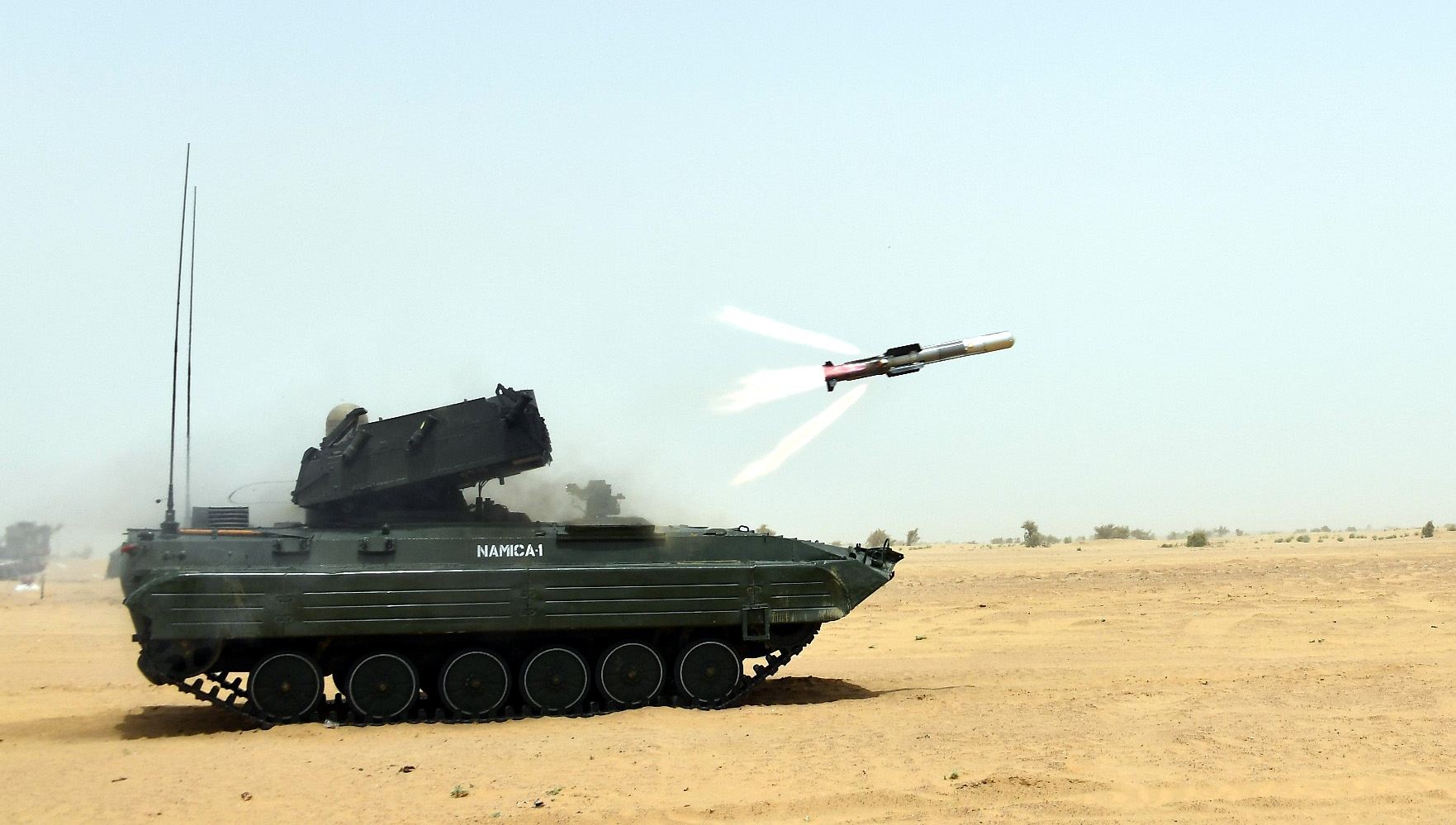
Range: ~4–7 km
Guidance: Imaging infrared seeker.
Variants include:
-
Helina (helicopter launched)
-
Dhruvastra
-
MPATGM (man portable).
Hypersonic Missile Programs
India is investing heavily in hypersonic weapons.
Hypersonic Technology Demonstrator Vehicle (HSTDV)

The Hypersonic Technology Demonstrator Vehicle is a scramjet-powered platform designed to enable hypersonic cruise missiles.
Potential outcomes include:
-
Hypersonic strike missiles
-
Rapid global strike capability
-
Advanced missile interception technologies.
The Future of India’s Missile List
India’s missile development is entering a new phase focused on:
-
Hypersonic weapons
-
MIRV-capable ballistic missiles
-
Long-range cruise missiles
-
Anti-satellite weapons
-
Integrated missile defense systems.
As geopolitical competition intensifies in the Indo-Pacific, missile capabilities will remain a central pillar of India’s deterrence posture.
The Final Word: India Missile List
India today fields a multi-layered missile ecosystem spanning nuclear deterrence, conventional strike, air defence, and battlefield support.
From the strategic reach of the Agni series to the precision strike power of BrahMos and the growing sophistication of indigenous missile programs, the country has steadily built a credible missile arsenal suited for both regional deterrence and modern warfare.
Continued advances in propulsion, guidance systems, and hypersonic technology suggest that India’s missile capabilities will expand significantly over the next decade.

