






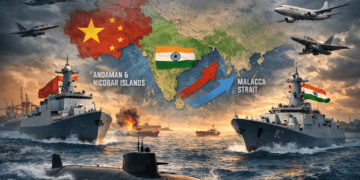









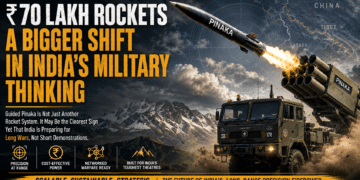







Modern warfare in 2026 is not defined by order-of-battle charts or headline-grabbing inductions. It is defined by integration density, industrial resilience, and decision-speed dominance. Platforms matter—but only when embedded in secure data architectures, sustained by robust supply chains, and protected across cyber, space, and electromagnetic domains.
India’s modernization arc today reflects a structural pivot: from buyer-centric procurement to ecosystem-centric capability building. The emphasis is shifting from accumulating hardware to engineering systems power.
Indigenous Airpower: From License Production to Design Authority

The maturation of the Tejas program under Hindustan Aeronautics Limited signals more than aircraft production; it reflects the gradual consolidation of aerospace systems competence.
The Tejas Mk1A incorporates indigenous AESA radar integration, upgraded electronic warfare suites, and improved maintainability metrics. More importantly, it expands India’s domestic aerospace vendor base—avionics, composites, mission software, and structural fabrication increasingly draw from Indian suppliers.
Yet ground realities temper ambition. Engine dependence remains external. Squadron depletion pressures persist. Production ramp-up—despite expanded lines in Bengaluru and Nashik—must accelerate to align with operational timelines.
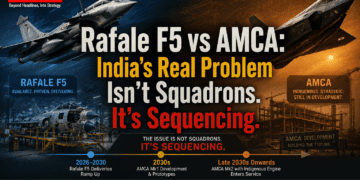
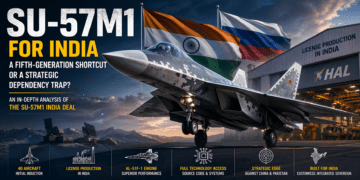
Parallel efforts such as the HAL AMCA embody the aspiration toward fifth-generation stealth, sensor fusion, and internal weapons carriage. However, bridging the gap between prototype validation and squadron-ready induction remains technologically and fiscally demanding.
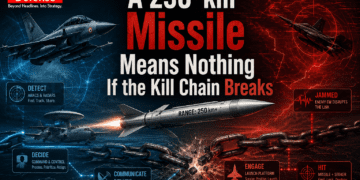
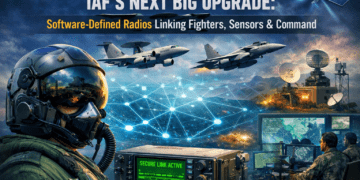
The deeper doctrinal shift is toward network-centric air combat. Fighters are evolving into sensor nodes within distributed kill webs, linked via secure datalinks and integrated ISR streams. Availability rates, mean time between failures, and indigenous spares localization now matter as much as platform specifications.
Armored Modernization: Networked Firepower on the Northern Axis

The induction of the Arjun Mk1A reflects incremental advances in protection, fire control systems, and mobility enhancements. Debate persists over weight and terrain optimization, particularly in high-altitude sectors, but the larger transformation lies elsewhere.
Indian land doctrine is shifting toward ISR-linked precision fires. Artillery modernization—through indigenous gun systems and extended-range rocket artillery—has become central to deterrence calculus along the Line of Actual Control.
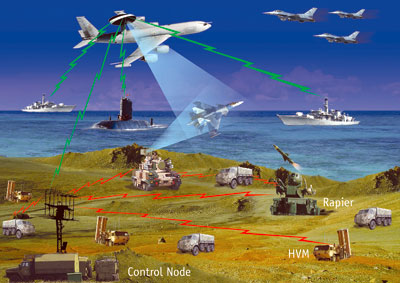
Recent global conflicts have reinforced one lesson: survivability is determined less by armor thickness and more by sensor-to-shooter latency. Tanks now operate within digitized battlefield management systems, supported by UAV reconnaissance and secure communications grids.
However, vulnerabilities remain. Tactical counter-drone capability at formation level is uneven. Electronic warfare resilience and hardened communications in mountainous terrain require deeper integration.
Air Defense: Layered Shielding in a Missile-Saturated Era

India’s acquisition of the S-400 Triumf expanded long-range interception envelopes significantly. Yet strategic value lies in its integration with indigenous systems such as the Akash missile system and the Indo-Israeli Barak 8.
The objective is a multi-tier defense architecture: long-range interception, medium-range coverage, and point defense for high-value assets.
In 2026, airbases, energy infrastructure, and command centers are exposed to drones, cruise missiles, and evolving hypersonic threats. The modernization challenge lies not just in interception range, but in simultaneous multi-vector engagement capability and radar discrimination against low-RCS targets.
An additional structural imperative is space-enabled early warning integration. Air defense increasingly depends on orbital ISR and resilient satellite communications.
Naval Platforms: Maritime Sovereignty and Undersea Imperatives

The commissioning of INS Vikrant underscores India’s shipbuilding maturity. Indigenous destroyers, frigates, and submarines increasingly emerge from domestic yards.
Strategic value extends beyond combat capability. Sovereign maintenance infrastructure reduces geopolitical supply risks and enhances operational availability.
Yet execution velocity remains the central constraint. Naval construction cycles are long, capital-intensive, and politically sensitive. Undersea fleet recapitalization, anti-submarine warfare integration, and maritime ISR expansion are decisive variables in the Indian Ocean security architecture.
Drone and Autonomous Systems: Rapid-Cycle Modernization
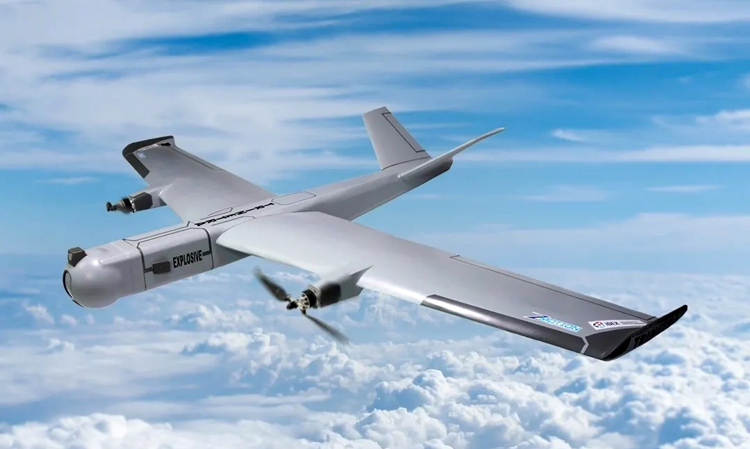
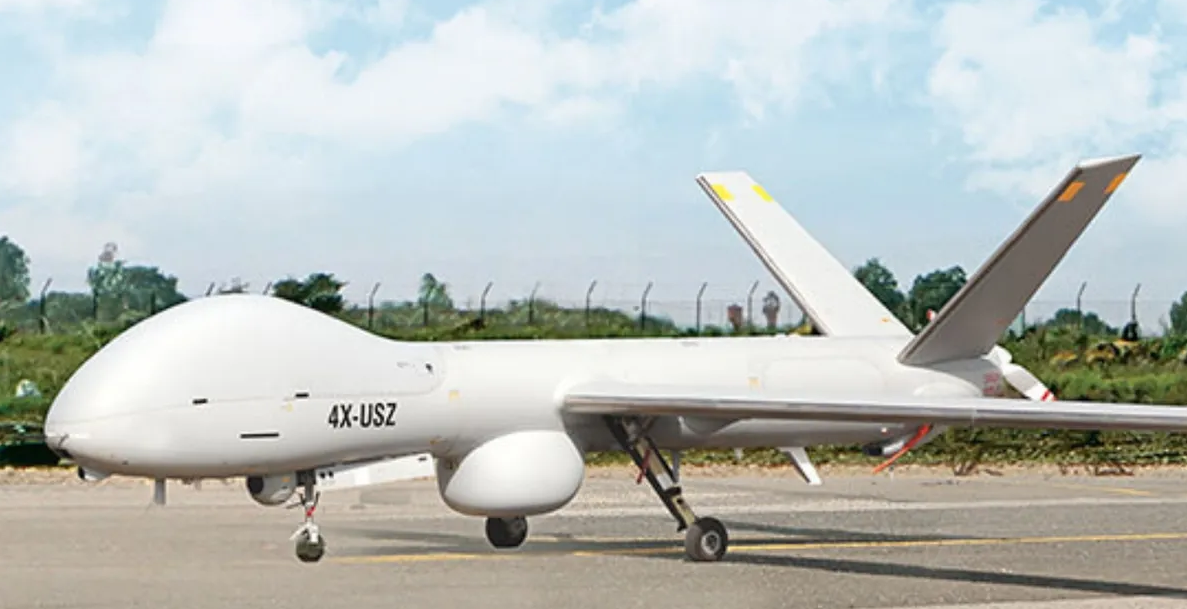
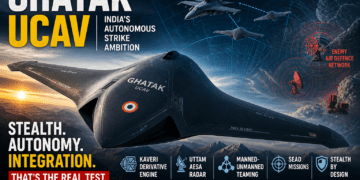
Unmanned systems now sit at the core of tactical and operational planning. Swarm drones, loitering munitions, and high-altitude ISR platforms provide persistent surveillance and cost-effective strike options.
Procurement in this domain differs markedly from legacy programs. It is faster, startup-driven, and iteration-heavy. However, survivability depends on encrypted communications, anti-jamming robustness, and AI reliability under adversarial deception.
Electronic countermeasures against drones are becoming equally important as drone acquisition itself.
Space and Counter-Space Integration

Space is now a contested operational domain. Dedicated assets such as GSAT-7 provide encrypted maritime communications, while institutional oversight through the Defence Space Agency formalizes military space doctrine.
The 2019 ASAT demonstration under Mission Shakti signaled capability, but resilience remains the strategic variable. Redundant satellite layers, small-satellite constellations, hardened ground stations, and integrated space situational awareness are now essential to modernization.
Without orbital redundancy, network-centric warfare collapses under disruption.
Electronic Warfare: Controlling the Spectrum
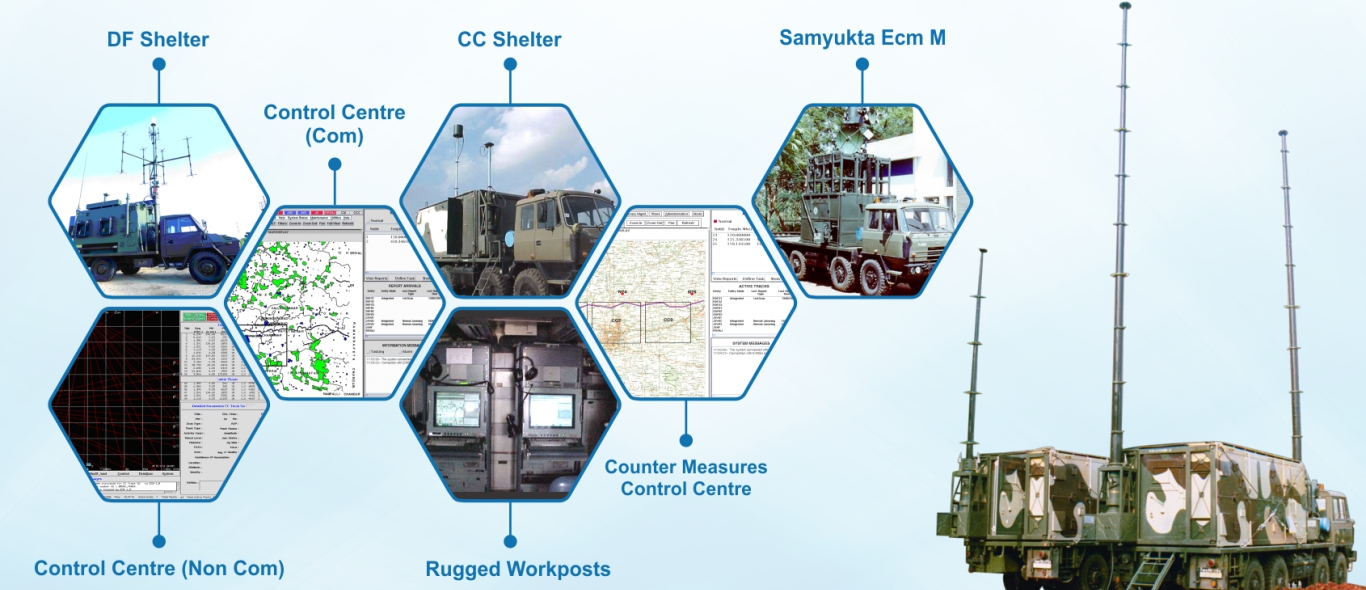
Electromagnetic dominance precedes kinetic success. Systems such as the Samyukta Electronic Warfare System reflect tactical battlefield spectrum control.
The modernization challenge lies in AI-assisted signal processing, rapid spectrum scanning, and integration across air, land, and sea platforms. Anti-drone jamming, GPS spoofing countermeasures, and secure frequency-hopping communications are now baseline requirements.
However, microelectronics dependence remains a structural vulnerability. Indigenous semiconductor capacity will increasingly shape electronic warfare autonomy.
Logistics Digitization and Supply Chain Resilience

Sustainment defines endurance. Predictive maintenance analytics, centralized digital inventory systems, and indigenous MRO expansion are reshaping logistics doctrine.
Defense industrial corridors aim to decentralize production and reduce single-source dependencies. Yet engine imports, advanced chips, and specialty alloys remain exposure points.
High-intensity conflict demands surge production capability, not peacetime procurement pacing. War reserve stock transparency and replenishment capacity will determine sustainability under prolonged stress.
Civil–Military Spillover: The Dual-Use Imperative
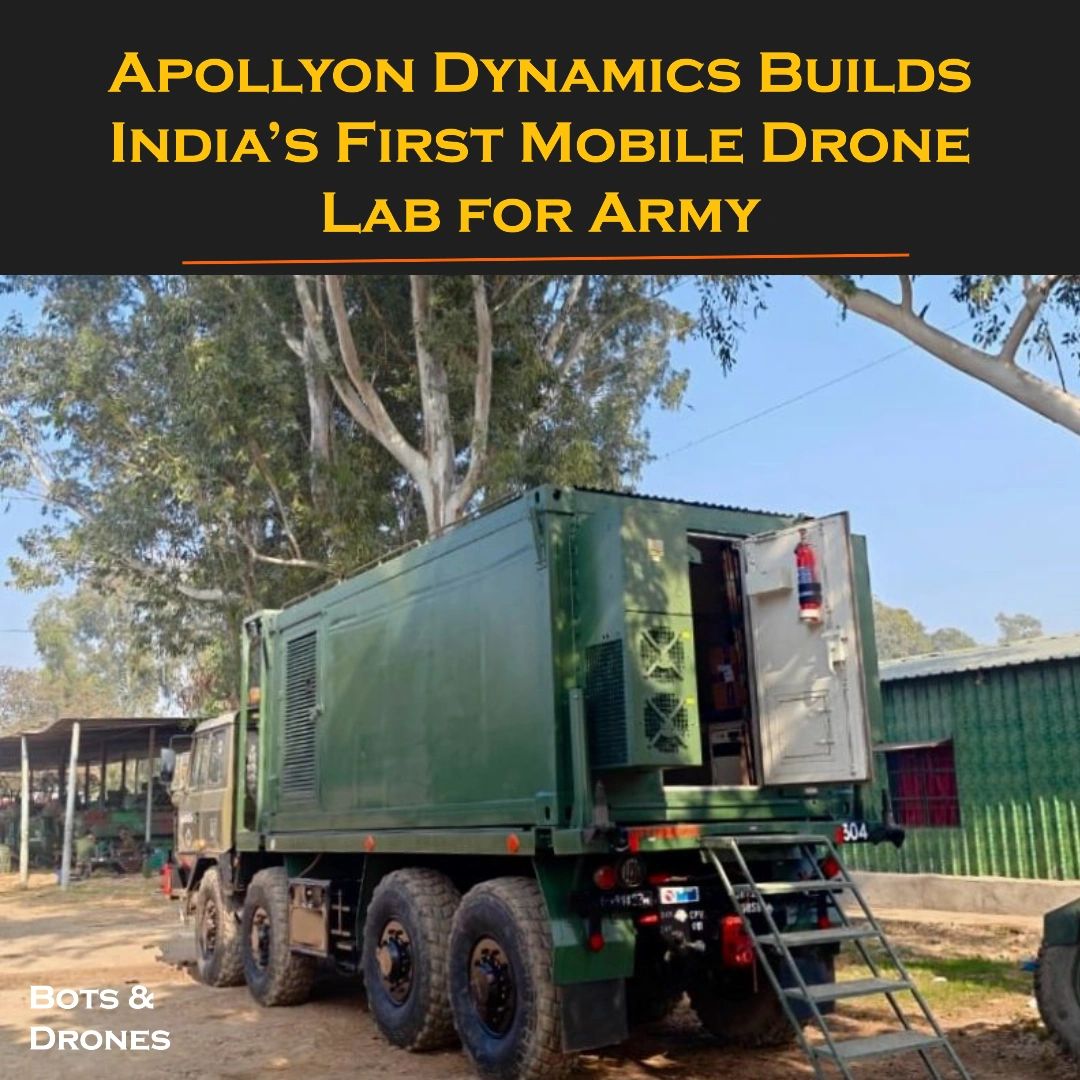
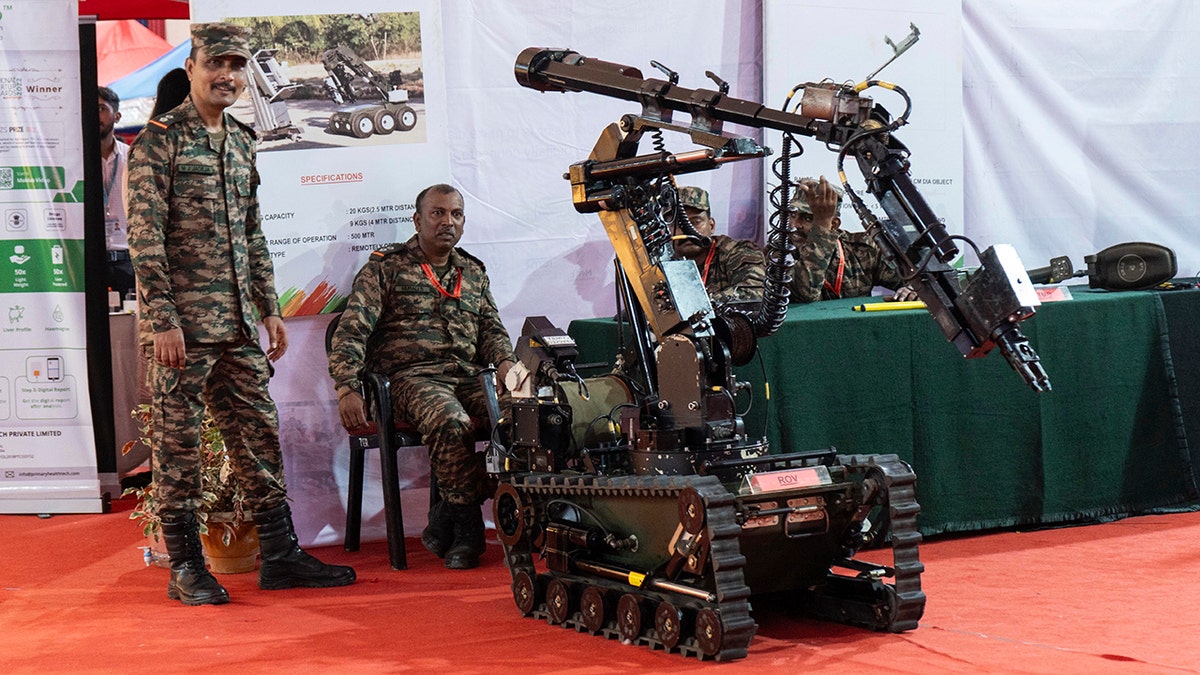
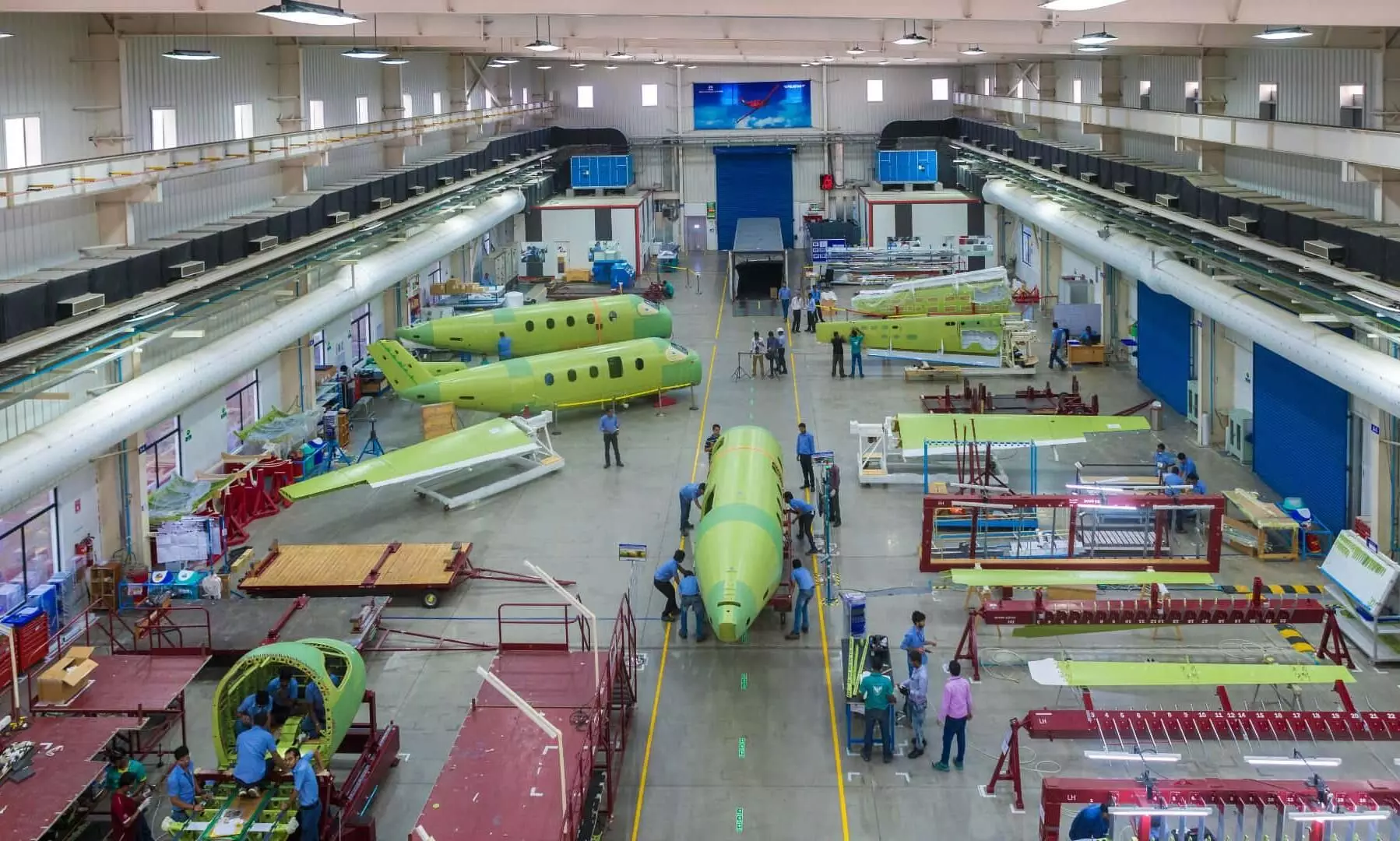
India’s modernization increasingly depends on dual-use ecosystems. AI, quantum research, advanced materials, cybersecurity, and drone technologies originate in civilian sectors before military adaptation.
Startup participation has accelerated innovation cycles. However, procurement frameworks must adapt to software-speed development, modular design, and export-oriented manufacturing.
Talent mobility between civilian technology firms and defense R&D institutions is emerging as a strategic variable.
Budgetary Structure and Interoperability
Personnel and pension obligations continue to constrain capital allocation ratios. Sustained modernization requires multi-year procurement commitments and greater R&D prioritization.
Interoperability remains the ultimate force multiplier. Theater command restructuring and integrated digital architectures aim to link sensors, shooters, and command nodes across services. Secure data fusion and cyber-hardened networks are foundational to this objective.
The Strategic Bottom Line
India’s 2026 military modernization is not defined by a single flagship platform. It is defined by systemic convergence.
Airpower maturation, armored digitization, layered air defense, maritime self-reliance, drone integration, space resilience, spectrum dominance, and logistics digitization together constitute the architecture of systems power.
The transition from buyer to builder is underway. The transition from platform accumulation to integration discipline is accelerating.
The decisive test will not be induction numbers. It will be whether India can sustain a networked, resilient, high-tempo force posture under fiscal constraint and multi-domain contestation.
That is the true measure of modernization in 2026.

