



























Modern war punishes institutional silos.In 2026, India’s most consequential defense reform is not a weapons platform or missile system. It is organizational restructuring. The shift toward joint theater commands represents a structural reconfiguration of how India prepares, plans, and potentially fights wars.This is reform at the level of command authority—not equipment.
Why Jointness Became Imperative
For decades, India’s Army, Navy, and Air Force operated with significant operational autonomy. Coordination existed, but unified command structures were limited. That model reflected legacy planning assumptions—sequential conflicts, service-specific missions, and compartmentalized threat domains.
Contemporary conflict dynamics invalidate those assumptions.
Precision missiles blur air and land boundaries. Cyber and space assets operate across all domains simultaneously. Maritime power influences continental stability. No single service can independently dominate a modern battlespace.
Jointness is no longer doctrinal preference. It is an operational necessity.
The Institutional Catalyst: Chief of Defence Staff
The creation of the Chief of Defence Staff position marked the institutional pivot toward integrated planning. The CDS serves as a single-point military adviser to civilian leadership and coordinates long-term capability development across services.
The office reduced inter-service rivalry at the strategic level, though operational integration remains a work in progress.
In 2026, the CDS framework underpins ongoing theater command proposals—transforming conceptual jointness into geographic responsibility.
Theater Command Concept: Geographic Responsibility, Unified Authority
Under the theater model, operational control of forces in a specific geographic region falls under a single commander, regardless of service branch.
Proposed structures have included:
- Northern theater (China-facing)
- Western theater (Pakistan-facing)
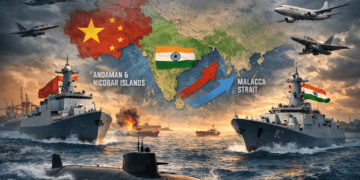
- Maritime theater (Indian Ocean Region)
- Air defense command (cross-domain integration)
This framework replaces parallel command hierarchies with unified operational direction.
The objective is speed.
In high-tempo conflict, decision latency kills. Theater commands aim to compress the observe–orient–decide–act cycle by eliminating bureaucratic friction between services.
Airpower Integration: The Most Sensitive Variable
Among the services, airpower allocation remains the most debated issue.
The Indian Air Force historically emphasized centralized control of air assets to maintain flexibility and strategic massing. Fragmenting squadrons under multiple theater commands could dilute that advantage.
Balancing centralized air strategy with decentralized theater responsiveness is the reform’s most technically complex challenge.
The solution emerging in 2026 leans toward functional air commands supporting geographic theaters—retaining strategic oversight while enabling localized operational control.
Maritime Theater and Indo-Pacific Strategy
A unified maritime theater command would align naval, air, and amphibious capabilities under a single operational umbrella for the Indian Ocean.
This structure enhances:
- Sea lane security
- Anti-submarine coordination
- Rapid response to gray-zone contingencies
Given rising Indo-Pacific competition, maritime integration is strategically logical. Naval operations increasingly intersect with air surveillance, cyber monitoring, and space-based intelligence.
Joint command aligns these capabilities by design rather than by coordination after the fact.
Technology as the Enabler of Jointness
Organizational reform without technological backbone is cosmetic.
Network-centric warfare systems now integrate:
- ISR feeds across services
- Real-time logistics visibility
- Shared command-and-control platforms
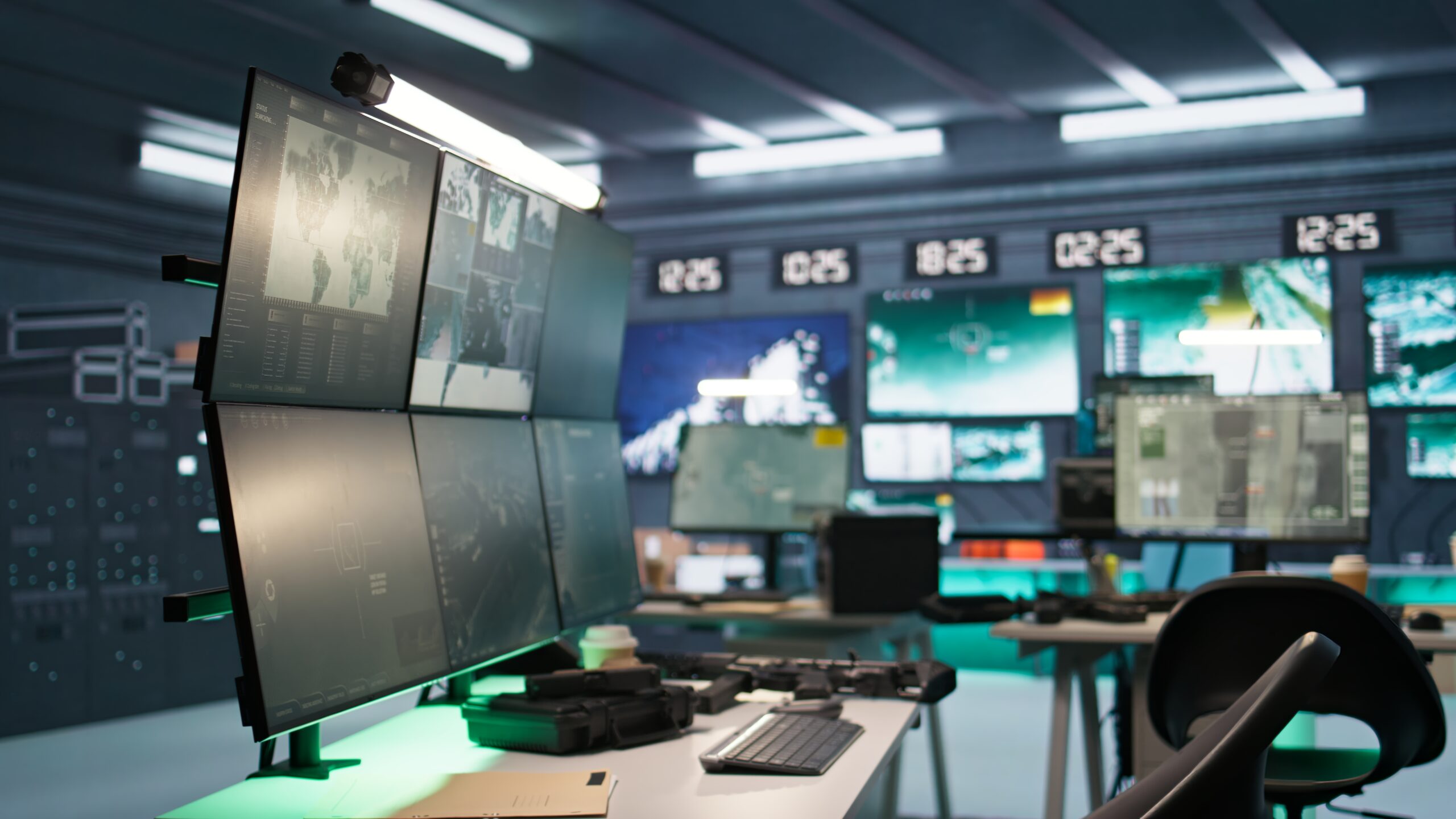
Digital interoperability allows theater commanders to access unified operational pictures rather than fragmented service-specific dashboards.
Cybersecurity becomes foundational here. Integrated networks expand attack surfaces. Jointness demands resilient digital architecture.
Logistics and Sustainment Reform
Wars are won by sustainment, not announcements.
Theater commands also centralize logistics pipelines—fuel, ammunition, maintenance, medical evacuation. Instead of redundant service-specific supply chains, pooled logistics increases efficiency and operational tempo.
In prolonged conflict, logistics agility becomes strategic advantage.
India’s modernization effort increasingly reflects this recognition: procurement decisions are now evaluated through joint sustainment feasibility rather than isolated service requirements.
Bureaucratic Friction and Cultural Resistance
Structural reform inevitably triggers institutional resistance.
Service identities are deeply embedded. Budget allocations reflect decades of precedent. Redistribution of authority generates concern over autonomy and doctrinal dilution.
In 2026, reform progress is incremental rather than abrupt. Consensus-building remains central to long-term success.
Durable jointness requires cultural alignment—not merely administrative restructuring.
Comparative Models: Learning Without Copying
India’s theater command discussions often reference foreign models such as the United States Department of Defense geographic combatant commands.
However, India’s threat environment differs significantly—two nuclear-armed continental adversaries and an expanding maritime competition zone.
Reform must therefore adapt lessons rather than replicate templates.
Jointness must reflect India’s unique geostrategic configuration.
The Strategic Bottom Line
Platforms enhance combat power. Structure determines how that power is used.
India’s move toward theater commands represents a generational transformation. If executed effectively, it will:
- Reduce decision latency
- Enhance cross-domain synergy
- Improve resource efficiency
- Strengthen deterrence credibility
In 2026, India’s defense modernization is not only about hardware acquisition. It is about institutional redesign.
Jointness is no longer a theoretical aspiration.
It is becoming architecture.

